DAP Buyer's Guide: What to Look for in a Digital Adoption Platform
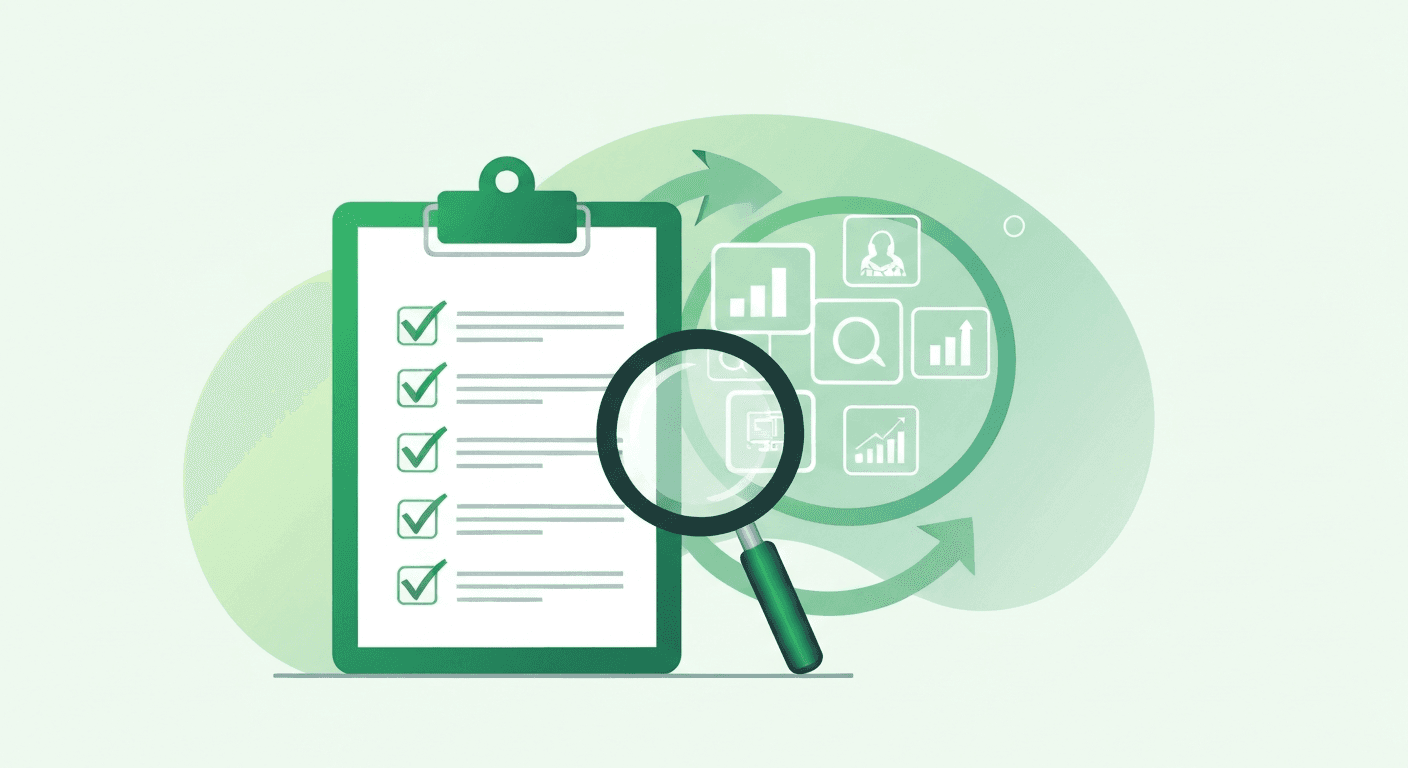
Investing in a digital adoption platform is a strategic decision that will affect your organization for years. This buyer's guide covers the essential evaluation criteria, common pitfalls, and a structured decision-making framework to help you choose the right platform.
Essential Evaluation Criteria
1. Authoring Capabilities
The platform's content creation tools determine who can build guidance and how quickly. Look for:
- WYSIWYG visual editor with point-and-click step creation
- No-code authoring that empowers non-technical users
- Audio recording and human voice narration support
- Template library for common walkthrough patterns
- Version control and content staging (UAT to production)
2. Guidance Types
Different situations require different guidance formats:
| Guidance Type | Use Case | Must-Have? |
|---|---|---|
| Step-by-step walkthroughs | Multi-step processes | Yes |
| Tooltips and hotspots | Feature explanations | Yes |
| Audio/voice guidance | Complex workflows, accessibility | Yes |
| Form fill assistants | Data entry optimization | Recommended |
| Search bar widget | Self-service help access | Yes |
| AI chatbot | Natural language support | Recommended |
| Announcements | Feature releases, changes | Yes |
| Surveys | User feedback collection | Recommended |
3. Analytics and Reporting
Your platform should provide three levels of analytics: engagement (walkthrough views, completion), adoption (feature utilization, user proficiency), and business impact (support ticket reduction, productivity). See our guide to measuring digital adoption ROI.
4. Platform Compatibility
Test compatibility with your specific applications. Critical platforms to verify: Salesforce, Workday, SAP S/4HANA, Oracle Cloud, ServiceNow, and any custom web applications.
5. Security and Compliance
- SOC 2 Type II certification
- GDPR compliance and data residency options
- HIPAA compliance for healthcare deployments
- SSO integration (SAML 2.0, OAuth)
- Role-based access control for content management
6. Multi-Language and Accessibility
Global organizations need multi-language support with auto-translation and RTL language support. All guidance must be WCAG 2.2 compliant.
7. Total Cost of Ownership
Beyond licensing fees, factor in: implementation and onboarding, content creation effort, ongoing maintenance, and integration costs. Ask vendors for a total cost model, not just a per-seat price.
Common Buyer Mistakes
- Buying on features alone: Run a POC with real users on real applications before committing
- Ignoring content maintenance: A platform is only valuable if the content stays current. Evaluate how easy it is to update walkthroughs
- Underestimating analytics: Without measurement, you cannot prove ROI or identify improvement areas
- Neglecting compatibility testing: Demo environments often work perfectly; test on your actual production applications
Bottom line: Choose a digital adoption platform based on your specific use cases, verified compatibility with your applications, and a realistic total cost of ownership analysis. Run a proof of concept before making a long-term commitment.