A Guide to Multi-Language Software Training at Scale
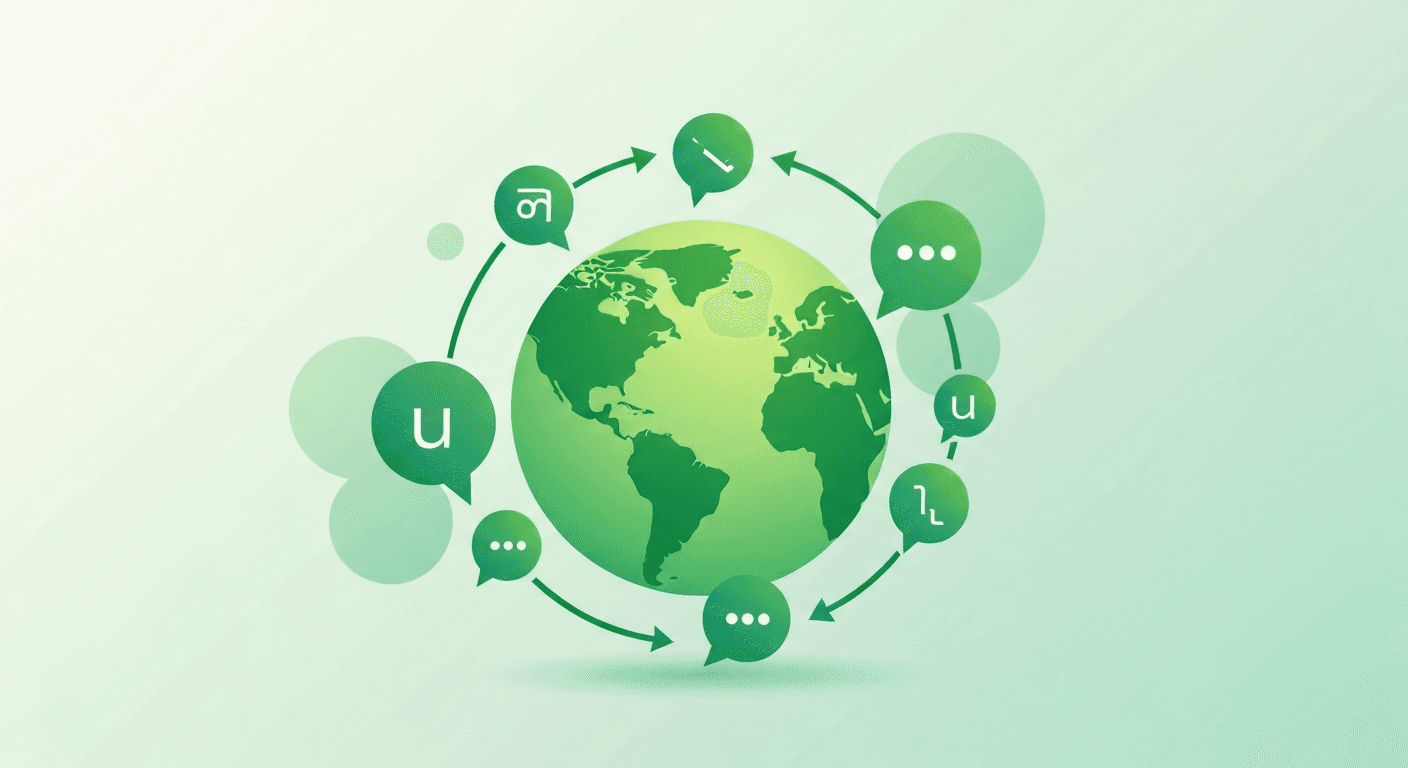
Global organizations face a compounding challenge: software training must be delivered in every language their employees and customers use. Without proper multi-language support, entire regions are left behind - creating adoption gaps that undermine the ROI of enterprise software investments.
The Scale of the Challenge
A typical multinational enterprise operates across 10-30 countries with 5-15 primary languages. Traditional approaches - translating training materials manually - are slow, expensive, and difficult to maintain as software changes.
| Approach | Cost per Language | Time to Deploy | Maintenance Effort |
|---|---|---|---|
| Manual translation of classroom materials | $15,000-$30,000 | 4-8 weeks | Full retranslation on update |
| Video tutorial re-recording | $8,000-$20,000 | 3-6 weeks | Complete re-recording on update |
| Auto-translated in-app walkthroughs | $500-$2,000 | 1-3 days | Automatic re-translation on update |
Building a Multi-Language Training Program
Step 1: Create Content in Your Primary Language
Build all walkthroughs, knowledge base articles, and chatbot content in your primary language first. Ensure the source content is clear, concise, and free of idioms or jargon that translate poorly.
Step 2: Configure Auto-Translation
Modern digital adoption platforms support automatic translation of guidance content. Set up translation for each target language and review the output with native speakers for quality.
Step 3: Handle RTL Languages
Languages like Arabic and Hebrew require right-to-left (RTL) layout support. Ensure your platform properly mirrors walkthrough overlays, tooltips, and navigation for RTL users.
Step 4: Localize Audio Guidance
For voice-narrated walkthroughs, professional voiceover in each language provides the best experience. For faster deployment, high-quality text-to-speech can be used as an interim solution.
Step 5: Test with Native Speakers
Automated translation is not perfect. Have native speakers in each region review the translated walkthroughs for accuracy, cultural appropriateness, and natural phrasing.
Supporting Diverse User Populations
Multi-language training is especially critical in industries that serve diverse populations:
- Government agencies: Citizen-facing portals must serve users in all official languages
- Healthcare providers: Patient-facing systems must be accessible in the patient's preferred language
- Financial institutions: Regulatory requirements may mandate multi-language support for customer-facing tools
- Global enterprises: Employees across offices worldwide need training in their working language
Bottom line: Multi-language training at scale is only economically feasible with automated translation integrated into a digital adoption platform. The cost and time savings compared to manual translation are 90%+ - and the quality, with proper review processes, is production-ready.