Digital Adoption in Government: Reducing Citizen Portal Friction
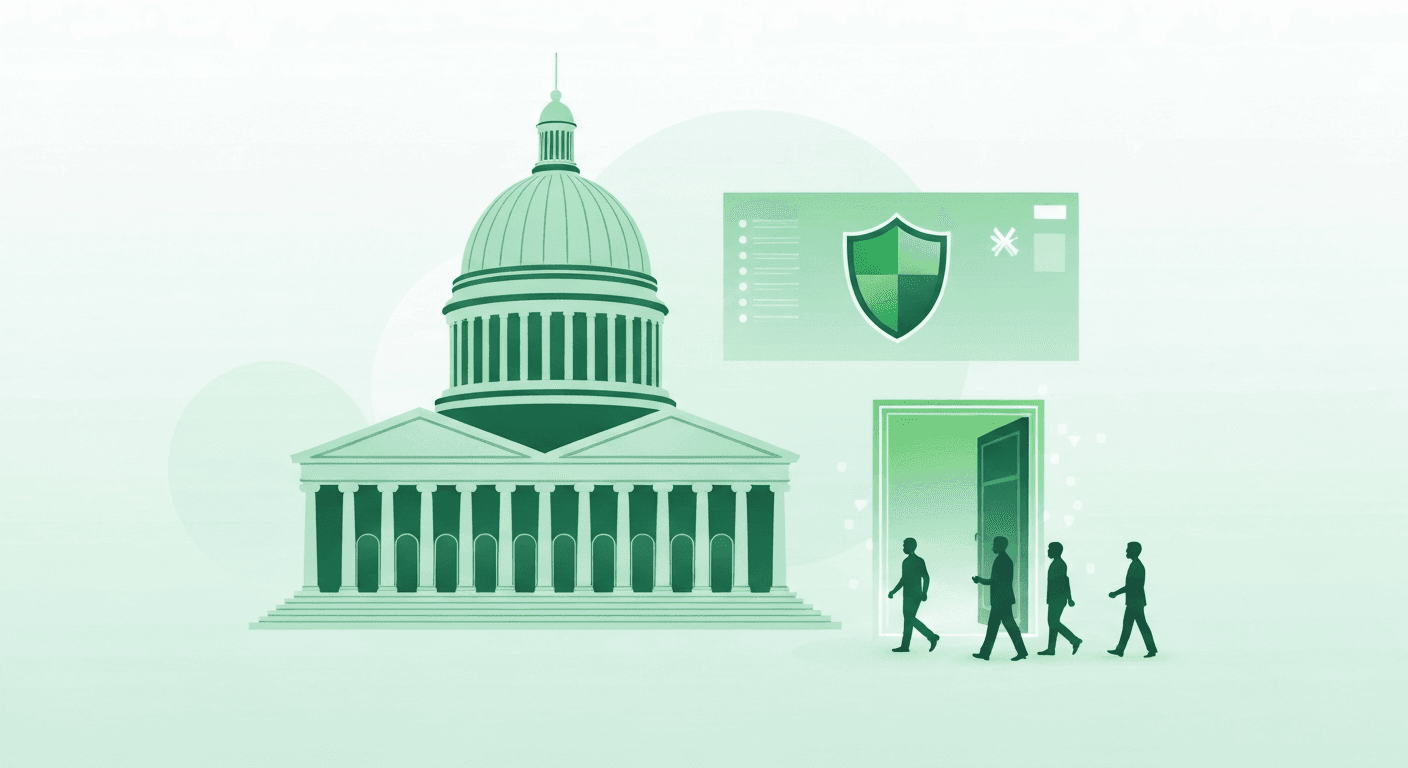
Government agencies face unique digital adoption challenges that the private sector rarely encounters. Citizen-facing portals must serve the entire population - including elderly users, people with disabilities, non-native language speakers, and citizens with limited digital literacy. Failure to provide adequate guidance does not just lose a sale; it denies citizens access to essential services.
Government-Specific Challenges
| Challenge | Private Sector Equivalent | Government Complexity |
|---|---|---|
| User diversity | Customer segments | Entire population, all ages, all abilities |
| Accessibility requirements | Best practice | Legal mandate (Section 508, ADA) |
| Language requirements | Major markets | All official languages, often 5-20+ |
| Failure consequences | Lost revenue | Denied services, legal liability |
| Technology constraints | Modern SaaS | Legacy systems, government clouds, FedRAMP |
Citizen-Facing Portal Guidance
Tax Filing and Payments
Tax portals are among the most complex citizen-facing applications. Build walkthroughs for: account creation, return filing, payment processing, refund tracking, and document upload.
Benefits Enrollment
Social services, healthcare, and unemployment benefits portals must guide citizens through multi-step eligibility determinations and application processes.
Permits and Licensing
Building permits, business licenses, and professional certifications involve complex forms and document requirements. Form fill assistance and step-by-step walkthroughs significantly reduce error rates and processing times.
Employee-Facing Systems
Government agencies also need adoption guidance for internal systems. Platforms like CentralSquare, EnerGov, and OpenGov serve government-specific workflows that require specialized training.
Compliance Requirements
- Section 508: All digital content must be accessible to people with disabilities
- ADA Title II: Government services must be equally accessible to all citizens
- Plain Language Act: Government communications must be clear and understandable
- WCAG 2.2 AA: The technical standard underpinning Section 508 compliance
- FedRAMP: Cloud services must meet federal security authorization requirements
For detailed WCAG compliance guidance, see our article on WCAG accessibility in software training.
Bottom line: Government digital adoption is uniquely challenging due to the breadth of the user base, strict accessibility mandates, and the essential nature of the services being delivered. In-app guidance is not just a convenience - it is a requirement for equitable service delivery.